
Execution Report: Reginald Reeves
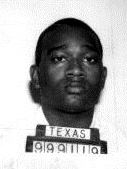
Reginald Reeves
Executed on 9 May 2002
Reginald Lenard Reeves, 28, was executed by lethal injection on 9 May in Huntsville, Texas for the rape and murder of a 14-year-old girl.
In September 1993, Jenny Lynn Weeks, 14, and Sharon Forte, 17, ran away together from the group foster home where they were living. Forte's boyfriend, Raymond Jackson, drove them to his mother's house, where they all stayed for a day or two. During that time, Jackson's cousin, Reginald Reeves, 19, came to the house and met Jenny Weeks. He offered for her to stay at his apartment, and she agreed.
On the fourth night after the girls ran away, Weeks and Reeves spent some time sitting in his apartment, listening to music. Raymond Jackson came over for about five minutes, then left. Ralph Brown, 18, a friend of Reeves', then came over, and the three started drinking beer. Later, Jackson came over again, this time with Sharon Forte. According to Jackson, he and Forte left after fifteen minutes, at about 9:45 p.m.
Later that night, a neighbor observed two people carrying what appeared to be a roll of carpet into an abandoned and partially burned house across the street. She called police. When police arrived at the house, they found the body of Jenny Weeks rolled up inside a rug and left in a closet. She had numerous bruises and abrasions on her face, neck, chest, legs, ankles, buttocks, and back. She also had fingernail marks on her neck and broken or cracked fingernails on both hands. The medical examiner said these marks were consistent with someone attempting to free herself from a stranglehold. Weeks' shorts and underwear were soaked in blood, and her T-shirt was also bloody. An examination found hairs on her pubic area, buttock, leg, and clothing. She had multiple hemorrhages on her skull and neck. The medical examiner concluded that the cause of death was strangulation and that sexual activity had occurred, which was most likely forced.
The evening after Weeks was killed, Reginald Reeves turned himself in to police. Ralph Brown turned himself in the next day.
Inside Reeves' apartment, police found a gym bag containing a purse, diary, and other items belonging to Weeks. Saliva, blood, pubic hair, head hair, and teeth impressions were taken from both Reeves and Brown. Blood, hair, and bite marks taken from Weeks' body were matched with Reeves. No physical evidence was found to link Brown to the crime.
At Reeves' trial, a witness named Statrice Carreathers testified that she was outside in the area with friends on the night of the murder. She said that her friends were discussing a man's possible suicide in a vacant house that night when, shortly after midnight, Reeves approached the group. Carreathers testified that Reeves told her "it wasn't an old man ... it was a girl," and that "he had done it." Reeves described how he had choked, strangled, and punched "a fourteen-year-old girl," and, although Carreathers noticed some scratches on his arms, she didn't believe him at the time.
Continued on Page 2