
Execution Report: Larry Hayes
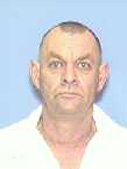
Larry Hayes
Executed on 10 September 2003
Larry Allen Hayes, 54, was executed by lethal injection on 10 September 2003 in Huntsville, Texas for the murders of his wife and a convenience store clerk.
On 15 July 1999 at 10:45 p.m., a violent argument broke out between Hayes, then 50, and his wife, Mary, 46, in their home in Conroe in Montgomery county. Larry Hayes hit his wife on the head and chased her into their 10-year-old daughter's bedroom. He ordered his daughter, Lauren, out of the house. Lauren ran screaming to the house across the street. Paula Odendalski, a neighbor, met Lauren in her driveway, spoke with her, and dialed 9-1-1.
When Larry Hayes chased Mary into Lauren's bedroom, his mother, Hazel, ran in and tried to control her son. Mary was cowering underneath Lauren's bed. Hayes then fired at Mary six times at close range with a .44-caliber pistol. After he reloaded, he shot her two more times. She was hit three times in the head, once in the left shoulder, and twice in the back. Hayes then asked his mother for a kiss, grabbed some clothes and prescription medications, and drove off in his black Chevrolet Suburban.
Police arrived and found Hazel Hayes wailing inside the house. She told them that the couple had been fighting over Mary's alleged affair with another man.
Hayes drove to a convenience store in Montgomery county. He pulled his gun on the clerk, Rosalyn Robinson, 18, and ordered her to leave the store with him. When they got to Robinson's car, she refused to get in with him. Hayes then shot her three times and stole her white Ford Mustang. Robinson died shortly after police arrived. Hayes' black Suburban was at the scene.
Later that night, Hayes stopped at a motel in Cleveland in Polk county. Vale Yates had gone inside the motel to check in. Because he was having trouble with the starter in his Chevrolet Blazer truck, he left the engine running. When he came back out, his truck was gone, and Rosalyn Robinson's white Ford Mustang was parked behind where the truck had been.
At 12:20 a.m., the Polk County Sheriff's Department received a report from a truck stop. Sharon Glass and her husband reported that they saw a man in the parking lot with a large gun tucked into the waistband of his pants. The man asked him for a jump for his Chevy Blazer. Sheriff's deputies arrived and saw Hayes in the truck stop parking lot. Deputies testified that when they ordered Hayes to raise his hands, he began to reach for his weapon, so they shot at him. The first shot from Sergeant Waller missed, but his second shot struck Hayes in the back. Hayes was taken in the sheriff's department's custody to a hospital in Conroe.
In addition to the evidence and testimony described above, the jury also heard testimony that police found an overnight bag containing prescription medicine bottles bearing Larry Hayes' name inside the white Ford Mustang that was abandoned at the motel in Cleveland.
Hayes had previously been convicted of drug possession in Missouri. He served 9 months of a 7-year sentence, then was paroled in 1976. The sentence was overturned in 1978. He also had convictions in Texas for driving while intoxicated and driving under the influence of drugs.
Continued on Page 2