
Execution Report: Demarco McCullum
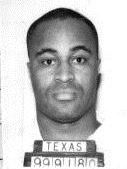
Demarco McCullum
Executed on 9 November 2004
Demarco Markeith McCullum, 30, was executed by lethal injection on 9 November 2004 in Huntsville, Texas for the abduction and murder of a 29-year-old man.
On 30 July 1994, McCullum, then 19, and three of his high school football teammates approached Michael Burzinski, who was walking to his car in the parking lot of a Houston night club. McCullum began talking to Burzinski, then struck him several times in the face with the handle of a pistol. The other teens joined in the assault. They forced Burzinski into the back seat of his car and drove off, with McCullum behind the wheel. They took Burzinski's money and drove to an automatic teller machine. Using Burzinski's card, they withdrew $400 from his account. They then drove the victim to an isolated area. Burzinski pleaded for his life, but McCullum insisted that he had to be killed. When his companions asked why, McCullum said that Burzinski had to die because he knew their names. McCullum then said everyone's name aloud, including his own. He then shot Burzinski in the back of the head. The group then drove Burzinski's car a short distance, then set it on fire.
McCullum was arrested on 16 August. He told police that the group decided to rob someone in the Montrose area of Houston - an area known as popular with homosexuals - because he believed homosexuals "always carry a lot of cash," and were easy to rob.
At 19, McCullum had no prior felony convictions, but testimony at his punishment hearing indicated that he had been involved in a string of violent robberies. On 18 June 1994, McCullum shot Ryan Lonergan while he was using an ATM. Lonergan was paralyzed. On 8 August, a week after killing Burzinski, McCullum and his accomplices abducted and robbed Ty Selcer, taking his car, forcing him to withdraw money from the bank, and stealing items from his home. They also robbed Ty's brother, Travis Selcer, at gunpoint. They then tied Travis up and took Ty with them. They took Ty to a remote area and tied him to a telephone pole. McCullum punched him in the face, and the group left him there. Three days later, the group robbed Daniel Bowen and Ramona Wesling, stealing their money, ATM cards, and pickup truck. They beat Bowen with golf clubs and threw Wesling into a dumpster.
Continued on Page 2