
Execution Report: Joseph Nichols
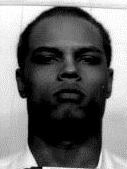
Joseph Nichols
Executed on 7 March 2007
Joseph Bennard Nichols, 45, was executed by lethal injection on 7 March 2007 in Huntsville, Texas for the robbery and murder of a store employee.
On 13 October 1980, Nichols, then 19, Willie Williams, 24, Charlotte Parker, and Evelyn Harvey drove to a spot near Joseph's Delicatessen and Grocery in Houston. Williams and Nichols went inside, both carrying guns. Williams had a .380 semi-automatic pistol, and Nichols had a snub-nosed .38-caliber revolver. Both men went to the back of the store first, then approached the counter. Nichols got a corndog. Williams set a quart of beer on the counter near the cash register. Both men then drew their guns and pointed them at Claude Shaffer, 70, who was behind the counter. When Shaffer saw the guns, he tried to get down, but the gunmen opened fire. They then ran to the door. Nichols exited, but Williams stopped at the door, then went back inside and fired once more at Shaffer. Williams then went behind the counter, grabbed the cash box, and ran back out and joined Parker and Harvey in the car. They drove around to the side of the building to pick up Nichols, then drove off. The four were arrested a few days later.
Shaffer died from a single gunshot wound. The question of who fired the fatal shot was an important issue at Williams' and Nichols' trials and in appeals. The Harris County Medical Examiner, Dr. Espinola, testified that Shaffer died from a shot that entered his upper back, below his left shoulder and exited from the right side of his chest. He testified that the victim also had a superficial wound on the right side of his head, which was "consistent with a grazing type of gunshot wound," but could also have been caused by hitting his head on the corner of a hard object in a fall, and, in any case, was not a serious injury.
There were no bullets or bullet fragments found in the victim's body. Investigators found two empty .380 cartridge cases from Williams' pistol in the deli and an intact, misfired .380 round (with a firing pin indentation on the cartridge rim) just outside the door. A .38-caliber unjacketed lead bullet was found in a stack of comic books behind the counter.
At Nichols' trial, Williams, who had already pleaded guilty at his own trial, testified that Nichols drew his gun first, then Williams drew his. Shaffer then bent down, and Nichols said something to the effect of "don't go for the gun" or "don't be doing it." Shaffer came up with a gun, but before he could shoot, Nichols fired his gun at him. Williams testified that he pulled the trigger on his gun, but it misfired. Williams said that he saw no blood and that Shaffer was still squatting behind the counter when he re-entered the deli and shot at him again.
Nichols did not testify, but in a statement he gave to police, he said, "he came up with a pistol ... so we reacted and shot."
Cindy Johnson, another deli employee who was the only other person in the store, testified that when Nichols and Williams were at the counter, Nichols shot first, but Williams also shot, and two or three shots were fired at that time. She said that after those shots, Shaffer collapsed and there was blood on his head. She also testified that Shaffer never reached for a gun that was kept behind the counter, although in an earlier sworn statement, she said he did reach for it.
A .45-caliber semiautomatic pistol was found on a shelf behind the counter, but it was fully-loaded and had not been fired, and there were no fingerprints on it.
Charlotte Parker testified that after Williams and Nichols were in the car, Nichols said, "I think I hit him in the chest," and that Williams said he shot him in the shoulder.
The defense argued that Nichols was not guilty of murder even under the law of parties, because Williams fired the fatal shot when he re-entered the deli, which was an independent decision Williams made after Nichols had already left. The prosecution argued that because the victim was crouching behind the counter and the bullet went through his torso, the shot couldn't have been fired from the door area. The state also argued that even if Williams did fire the fatal shot, Nichols, who planned the robbery, chose the location, and fired a gun at the victim, was responsible under the law of parties.
Nichols had a previous conviction for theft in 1979, and he pleaded guilty to an April 1980 robbery and was sentenced to nine years' probation. In August 1980, he robbed a convenience store, shooting the clerk. On 11 October, two days before the deli murder, he committed another convenience store armed robbery.
Continued on Page 2