
Execution Report: Ricardo Ortiz
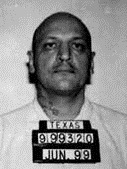
Ricardo Ortiz
Executed on 29 January 2009
Ricardo Samaneigo Ortiz, 46, was executed by lethal injection on 29 January 2009 in Huntsville, Texas for the retaliatory murder of a fellow jail inmate.
On 17 August 1997 in the El Paso County jail, Ortiz, then 34, forcibly injected an extra-strength dose of heroin into his cellmate, Geraldo Garcia. Garcia, 22, was found dead in his cell when jailers did a count in the cell block. Both men were in jail under suspicion of committing a series of unsolved bank robberies together in the area.
At Ortiz's trial, the medical examiner testified that the concentration of heroin by-products in Garcia's blood was three times higher than the average amount found in heroin overdose cases. He also testified that he found a single fresh needle mark on one of Garcia's arms, but no needle track marks, indicating that he was not a habitual heroin user.
Inmate Mario Hernandez testified that the section of the jail Garcia died in was known as the "Texas Syndicate tank" because members of the Texas Syndicate gang and their relatives and associates were held there. According to Hernandez, Ortiz was the "tank boss" because of his position within the Texas Syndicate - a notorious prison gang consisting mainly of Hispanic members. When Garcia was brought into the tank, Hernandez saw Ortiz "freak". He also overheard Ortiz and Garcia discuss the bank robberies and whether Garcia had been "snitched off" by someone else. Hernandez testified that he then overheard Ortiz make over ten phone calls to arrange getting some heroin brought into the jail. Ortiz then obtained the heroin during a visit.
Hernandez further testified that on 17 August, the day after Ortiz received the heroin, he and several other inmates called Garcia into one of the cells. As Garcia was sitting down, Ortiz handed one of the other inmates some heroin, That inmate dissolved it into water, placed it into a syringe, and passed the syringe back to Ortiz. Ortiz then injected the heroin into Garcia against his wishes. Hernandez said that almost immediately, Garcia began shaking from an overdose. Ortiz then saw that Hernandez and another inmate had seen what happened. Ortiz brought some heroin, and they injected themselves with it. Ortiz told them that Garcia had overdosed and they were not to say anything about the incident.
Inmate Hector Hernandez testified that he was in the Texas Syndicate tank and that Ortiz ran the tank. He testified that he heard Ortiz say that Garcia had "snitched him out" and had to die. He testified that Ortiz had heroin brought into the jail to kill Garcia with and to make his death look like a suicide. Hector Hernandez also testified that he knew Garcia was not a heroin user and that Ortiz told him to lie about the incident.
An FBI agent testified that Ortiz and Garcia had committed some bank robberies together and that Garcia had been arrested based on a teller's identification. The agent further testified that Ortiz had been brought near the area where Garcia was being questioned so that Ortiz would believe Garcia was cooperating with authorities, even though he actually was not cooperating.
Ortiz's defense attorneys tried to discredit the prosecution's witnesses and their testimonies. They also claimed that Garcia was suicidal.
Continued on Page 2