
Execution Report: Robert Thompson
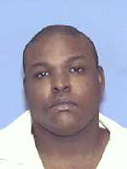
Robert Thompson
Executed on 19 November 2009
Robert Lee Thompson, 34, was executed by lethal injection on 19 November 2009 in Huntsville, Texas for the robbery and murder of a convenience store clerk.
On 5 December 1996, Thompson, then 21, and Sammy Butler, 19, entered a convenience store in Houston. Thompson was carrying a .25-caliber semiautomatic pistol, while Butler was carrying a .38-caliber revolver. Thompson pointed his pistol at clerk Mubarakali Meredia, who was at the counter, and ordered him to open the cash register and hand over all the money. Thompson shot Meredia in the abdomen when he did not move quickly enough. He also shot at employee Mansor Rahim - who was Meredia's cousin - when Rahim began running toward the rear of the store. Butler also shot at Rahim and threatened several customers.
Thompson then shot Meredia three more times as he lay on the floor. Thompson ordered Meredia to get up and get the money for him. Meredia did so. Then Thompson put his pistol to Meredia's neck and pulled the trigger, but he had run out of bullets. He hit Meredia on the head with the butt of his gun and struck him with the cash register drawer. He then took the money and ran out of the store, while Butler grabbed a stack of lottery tickets and followed behind him. Thompson jumped into the driver's seat of their car, while Butler got into the passenger's seat and rolled down his window. Meanwhile, Rahim ran to the front door. Butler then fired two shots through the glass door at Rahim. One bullet hit him in the chest, and he died. Meredia survived.
After his arrest, Thompson, who was black, told detectives that he had been on a two-month crime spree. He confessed that he and Butler had committed two other robbery-murders within 24 hours of Rahim's killing. In those, Thompson said, he fired the fatal shots.
Under Texas' "law of parties", a defendant can be found guilty of capital murder for participating in a killing, even if he does not personally inflict the fatal injury.
In his taped confession, Thompson gave a lengthy explanation of why he had decided to start robbing and killing store owners. He stated, in part, "... I look at it, they [Japanese, Chinese, Vietnamese, and Middle Eastern people] come to our country. They come in our communities. They spend our money ... 'cause, you know, they come over here, they not giving back to our communities that you're taking from. And when we come to your stores, ah they, we go in their stores, they watch us, they, they always following us thinking we gonna steal 'cause we black. You know it's the point that you can't feel comfortable when you spending your own money. You know, and you going in their store 'cause you can't help but go to their store 'cause it's in our community ... So, it wasn't that I was robbing them for their money. It was just a point, how can you come in our neighborhoods and do us like that and think we not God's people ... The only image that you get from a black person on the news is, is robbing, killing, and stuff like that. That's all you see. But in God's heart and in God's eye, who's to say that's wrong? Who's to say that God put you in a store, to own that store, and you made promises to Him and by you disobedient to Him that He won't punish you for it 'cause He will. Regardless if it's gonna be me, using me, it's gonna be somebody that you gonna get punished for ..."
Continued on Page 2